
How to Tune Into Your Emotions to Reduce Anxiety and Stress
Emotions manifest in our bodies, often in specific locations, and recognizing these sensations can help you connect with your feelings more deeply.
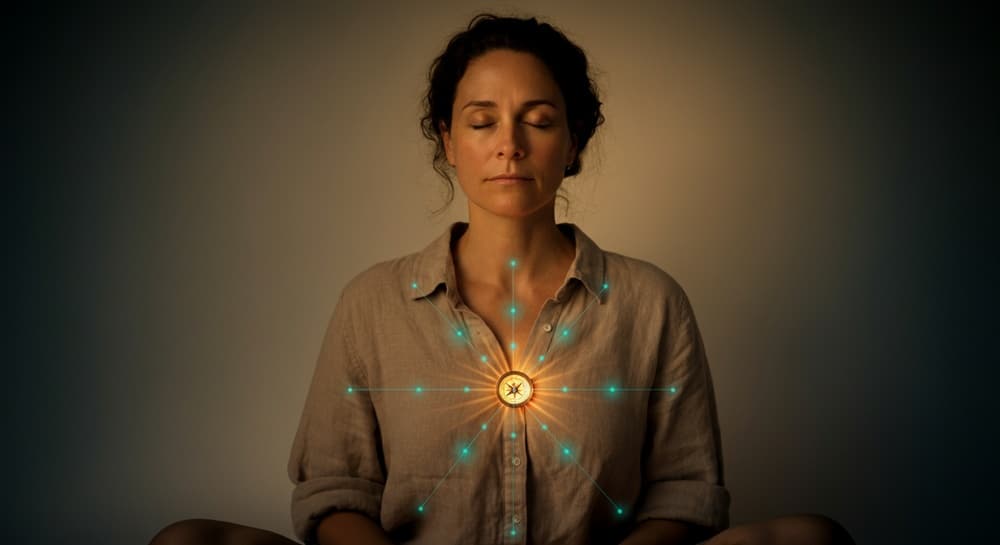
This approach encourages you to be present, acknowledge your emotions, and become more attuned to your inner experiences. Let’s explore how you can start identifying and interpreting these bodily signals to improve your emotional well-being.
Emotions don't just reside in our minds; they also manifest physically. You might feel frustration in your chest or envy on your face. By identifying where you feel specific emotions in your body, you can better understand and manage them. Here's how to start:
Emotions are inherently tied to the present moment, while thoughts often linger on the past or future. Being present is crucial for emotional recognition and management. Here's why:
To fully connect with your emotions, ask yourself questions that guide your awareness inward. This practice can clarify what you're feeling and why:
Once you become fluent in the language of your own feelings, you can capture and understand your emotional state more quickly. Here's how fluency can benefit you:
Integrating these practices into your daily routine can have a profound impact on your emotional well-being. Here’s how to start:
Understanding the connection between your emotions and their physical manifestations can be a powerful tool for reducing anxiety and stress. By being present, asking insightful questions, and practicing emotional awareness, you can improve your well-being and handle life's challenges with greater ease.
Learning to speak the language of your feelings will not only help you capture your emotional state quickly but will also enable you to connect more deeply with yourself.
— Sandro Formica, PhD
Founder of Permanently Happy (questions at [email protected])
Keynote Speaker | Transforming Leaders & Organizations Through Positive Leadership & Personal Branding | Director, Chief Happiness Officer Certificate Program